Erin Trahan, Arts Journalist & Filmmaker; Moderator
Erin Trahan is an arts journalist and documentary filmmaker. For the last two decades she has reported on independent film for outlets such as 90.9 WBUR and The Boston Globe. She recently released her first short documentary, “Dukakis: Recipe for Democracy,” and was named a Top Ten Emerging Artist by Art New England Magazine. She has been teaching in Emerson’s Journalism and Film, Television, and Media Arts departments since 2016.
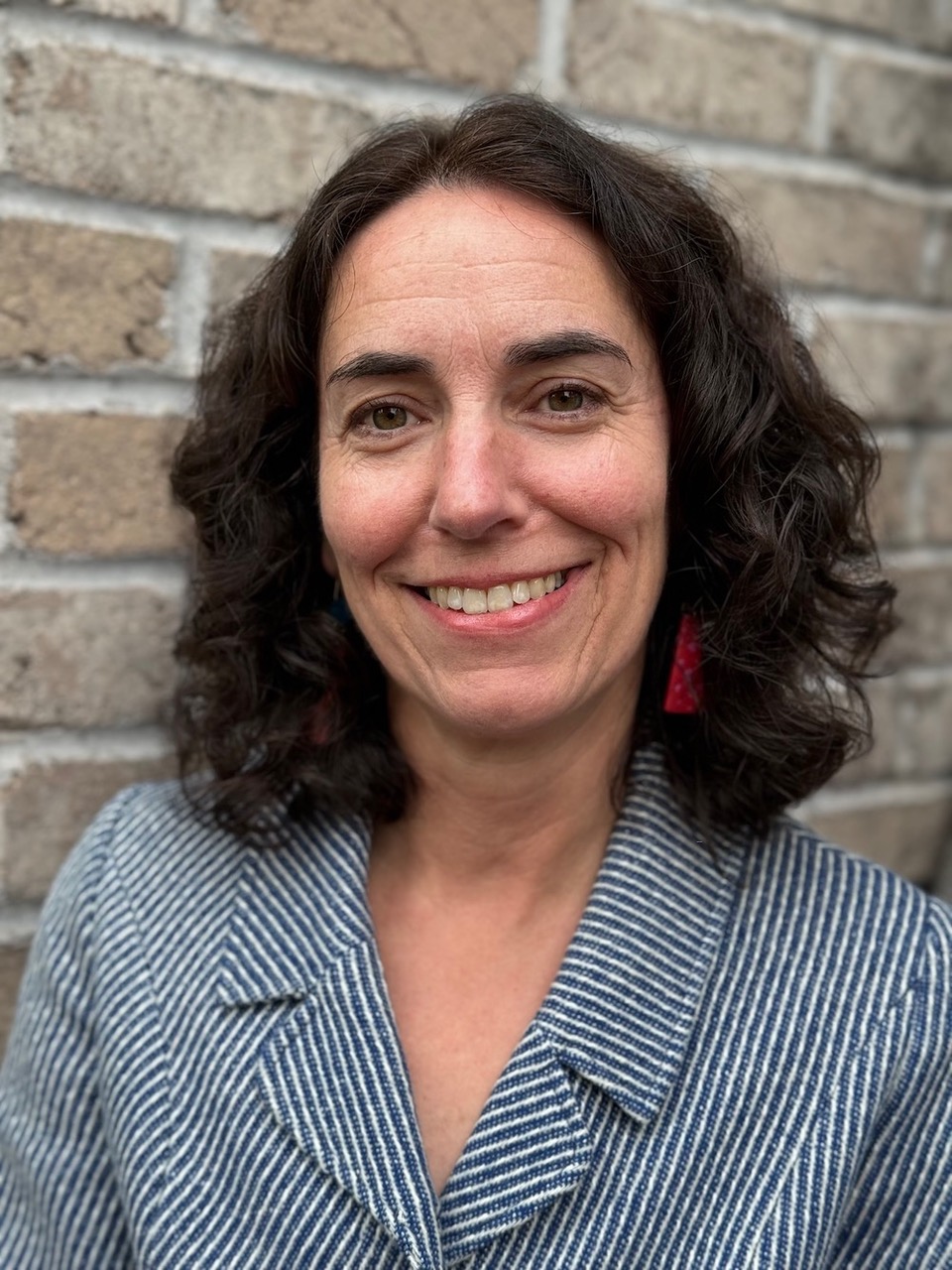
Sabrina Aviles, Executive Director, CineFest Latino Boston
Sabrina Avilés is an award-winning independent filmmaker, educator, and the Founder/Executive Director of CineFest Latino Boston. In 2023, she was awarded the prestigious Brother Thomas Fellowship, and in 2019, she was named a LEF Flaherty Fellow.
Her credits include a short documentary called “Raising the Floor” about a basic income pilot implemented in Chelsea, MA during the pandemic. She is currently working on a feature-length documentary about Chelsea, Massachusetts, which delves into the city’s challenges and resilience through the stories of three local leaders.
In 2022, Sabrina founded CineFest Latino Boston after serving as the Executive Director of the Boston Latino International Film Festival for six years. During her tenure, the festival received a special commendation from the Boston Society of Film Critics, “for bringing to Boston audiences a varied, challenging line-up of local, national and international films by Latinx filmmakers, and for prioritizing outreach to community partners.”
In 2024, Boston Magazine voted CineFest Latino Boston the best festival to present international films.
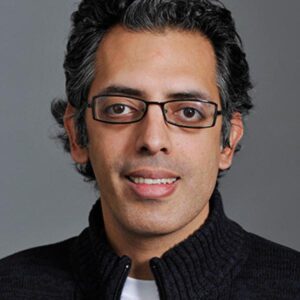
Yasser Munif, Associate Professor, Emerson College
Yasser Munif teaches courses on Race Relations, Urban Sociology, Nationalism, Political Economy, and Middle Eastern Politics and Society.
He specializes in colonial history, racial identities, and the production of postcolonial space in marginal sites in France and its colonial territories. His research engages with Foucauldian and Fanonian perspectives and is primarily concerned with how French colonial rule designed urban spaces to shape lives and identities. Through archival and ethnographic investigation, he explores the travelling (in time and space) of knowledges within the colonial circuit.
More recent research explores the importance of urban settings in shaping national identities during the Arab revolts (Egypt and Syria). More specifically, by investigating the confluence of arts and culture and urban spaces, it analyzes the making and un-making of national identities. While labor strikes, marches, demonstrations, and civil disobedience were vital in toppling authoritarian regimes in several Arab countries, the investigation explores the role of artistic transgressions within public spaces in challenging the deference and violence of totalitarian regimes.